What Is the Basic Metabolic Panel (BMP) Blood Test?
1. Introduction
The Basic Metabolic Panel (BMP) is a common blood test that provides valuable information about your body’s metabolism, including the health of your kidneys, blood sugar levels, and electrolyte and acid/base balance. The BMP is a group of eight specific tests that measure different chemicals in the blood. These tests typically include calcium, glucose, sodium, potassium, bicarbonate, chloride, blood urea nitrogen (BUN), and creatinine.
The BMP is significant in monitoring overall health because it helps detect a variety of conditions such as kidney disease, respiratory issues, and complications related to diabetes. Regular BMP tests can be crucial in managing chronic conditions and guiding treatment decisions, making it a fundamental tool in preventative healthcare and disease management.
2. Normal Range and Abnormal Results
Each component of the BMP has a specific normal range:
- Calcium: 8.5-10.2 mg/dL
- Glucose: 70-99 mg/dL (fasting)
- Sodium: 135-145 mEq/L
- Potassium: 3.6-5.0 mEq/L
- Bicarbonate: 23-30 mEq/L
- Chloride: 96-106 mEq/L
- Blood Urea Nitrogen (BUN): 7-20 mg/dL
- Creatinine: 0.6-1.2 mg/dL (varies by age and gender)
Abnormal results can indicate various health issues:
- High Calcium: Hypercalcemia, possibly due to hyperparathyroidism or cancer.
- Low Calcium: Hypocalcemia, which may be caused by kidney disease or vitamin D deficiency.
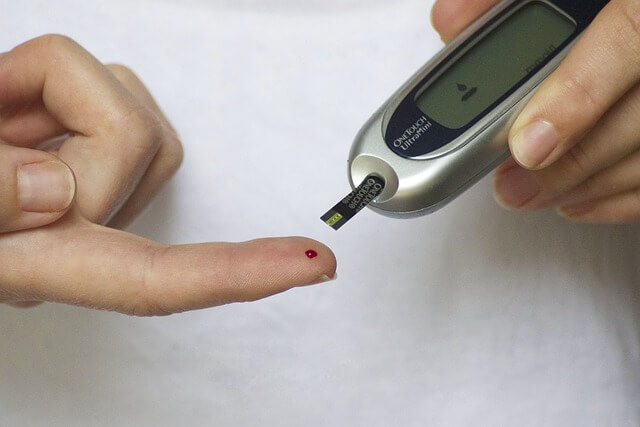
- High Glucose: Hyperglycemia, often indicative of diabetes.
- Low Glucose: Hypoglycemia, potentially due to excessive insulin or certain endocrine disorders.
- High Sodium: Hypernatremia, which can result from dehydration or certain diseases.
- Low Sodium: Hyponatremia, possibly caused by heart failure, kidney issues, or hormonal imbalances.
- High Potassium: Hyperkalemia, often associated with kidney disease or certain medications.
- Low Potassium: Hypokalemia, which can result from diuretics, vomiting, or diarrhea.
- High Bicarbonate: Metabolic alkalosis, which might be due to prolonged vomiting or chronic lung diseases.
- Low Bicarbonate: Metabolic acidosis, which can be caused by kidney disease or diabetic ketoacidosis.
- High Chloride: Hyperchloremia, which can indicate dehydration or kidney disease.
- Low Chloride: Hypochloremia, potentially due to prolonged vomiting or metabolic alkalosis.
- High BUN: Possible kidney dysfunction or dehydration.
- Low BUN: Liver disease or malnutrition.
- High Creatinine: Indicates potential kidney dysfunction.
- Low Creatinine: Less common, but can be seen in severe muscle loss or malnutrition.
3. Common Conditions and Diseases Associated with Basic Metabolic Panel (BMP)
Several conditions are commonly associated with abnormal BMP results:
- Diabetes Mellitus: Elevated glucose levels indicate diabetes, characterized by symptoms like excessive thirst, frequent urination, and unexplained weight loss.
- Kidney Disease: High BUN and creatinine levels suggest impaired kidney function, presenting symptoms such as swelling, fatigue, and difficulty urinating.
- Electrolyte Imbalances: Conditions like hypernatremia, hyponatremia, hyperkalemia, and hypokalemia affect electrolyte levels, causing symptoms like muscle cramps, weakness, and irregular heartbeats.
- Respiratory Acidosis/Alkalosis: Abnormal bicarbonate levels can indicate respiratory issues, leading to symptoms such as shortness of breath, confusion, and fatigue.
- Hyperparathyroidism: High calcium levels can be a sign of overactive parathyroid glands, with symptoms including bone pain and kidney stones.
4. Test Procedure and Duration
The BMP test is straightforward and involves drawing a small sample of blood from a vein, usually in the arm. Here’s the typical procedure:
- Preparation: Fasting for 8-12 hours may be required, particularly for accurate glucose measurements.
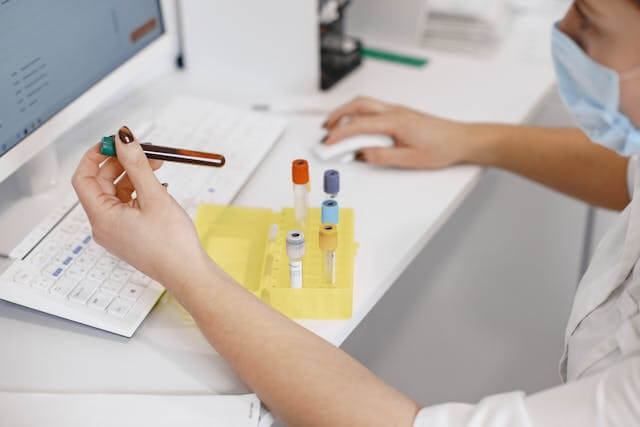
- Blood Draw: A healthcare provider will clean the injection site, insert a needle into a vein, and collect blood into a vial or tube.
- Post-Draw: The sample is sent to a lab for analysis. You may feel a slight pinch during the blood draw and potentially some bruising afterward.
The actual blood draw takes only a few minutes, while results are typically available within a few hours to a few days, depending on the lab processing time.
5. Management and Treatment Options for Abnormal Results
Treatment for abnormal BMP results varies based on the underlying condition:
- Medical Interventions:
- Diabetes: Managed with medications like insulin or metformin, along with dietary changes.
- Kidney Disease: May require medications to manage symptoms, dialysis, or even a kidney transplant in severe cases.
- Electrolyte Imbalances: Corrected through oral or intravenous electrolyte supplements and addressing the root cause.
- Lifestyle Interventions:
- Diet: Adopting a balanced diet rich in fruits, vegetables, whole grains, and lean proteins can help manage blood sugar and electrolyte levels.
- Exercise: Regular physical activity improves glucose metabolism and overall health.
- Hydration: Ensuring adequate fluid intake can prevent dehydration and electrolyte imbalances.
- Homeopathic Treatments:
- Diabetes: Remedies like Syzygium jambolanum and Uranium nitricum are used, but should be taken under professional guidance.
- Kidney Health: Homeopathic remedies such as Berberis vulgaris and Lycopodium are commonly recommended.
- Surgical Interventions: In rare cases, surgical treatments might be necessary, such as in hyperparathyroidism, where removing the overactive glands can normalize calcium levels.
6. Cost and Accessibility
The cost of a BMP test in the United States typically ranges from $30 to $80, depending on the healthcare provider, location, and whether you have health insurance. Factors affecting cost and availability include:
- Insurance Coverage: Many insurance plans cover the cost of BMP tests, especially if ordered by a physician for diagnostic purposes.
- Healthcare Facility: Prices may vary between hospitals, private clinics, and diagnostic labs.
- Location: Urban areas might have more facilities offering the test, potentially at a lower cost due to competition.
7. Prevention and Management of Related Conditions
Preventing conditions associated with abnormal BMP results involves several lifestyle modifications and proactive health measures:
- Diet: Eat a balanced diet rich in whole foods, including vegetables, fruits, lean proteins, and whole grains. Limit intake of processed foods, sugars, and excessive salt.
- Exercise: Engage in regular physical activity, such as walking, swimming, or cycling, for at least 30 minutes a day, most days of the week.
- Hydration: Drink plenty of water throughout the day to maintain proper hydration and support kidney function.
- Regular Check-ups: Regular visits to your healthcare provider can help monitor your health and detect any abnormalities early.
- Stress Management: Practice stress-reducing techniques such as yoga, meditation, or deep breathing exercises to maintain overall well-being.
- Avoid Smoking and Excessive Alcohol: These habits can negatively impact kidney function and overall health.